
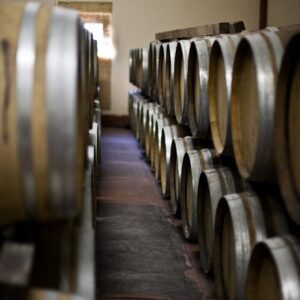
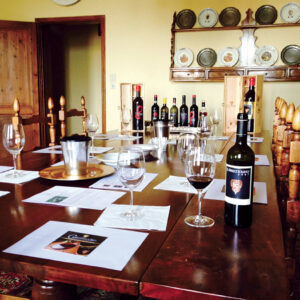
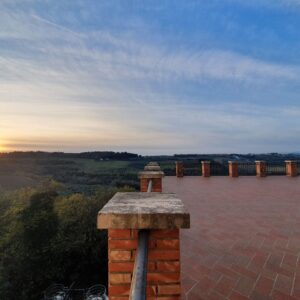
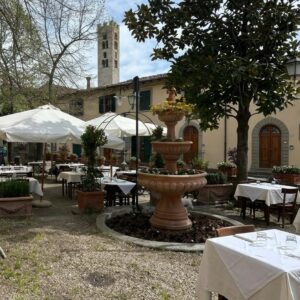
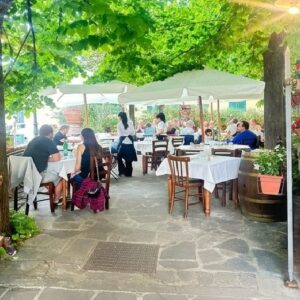
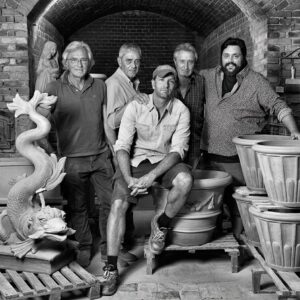
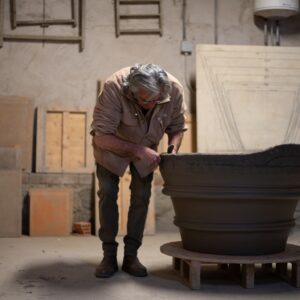
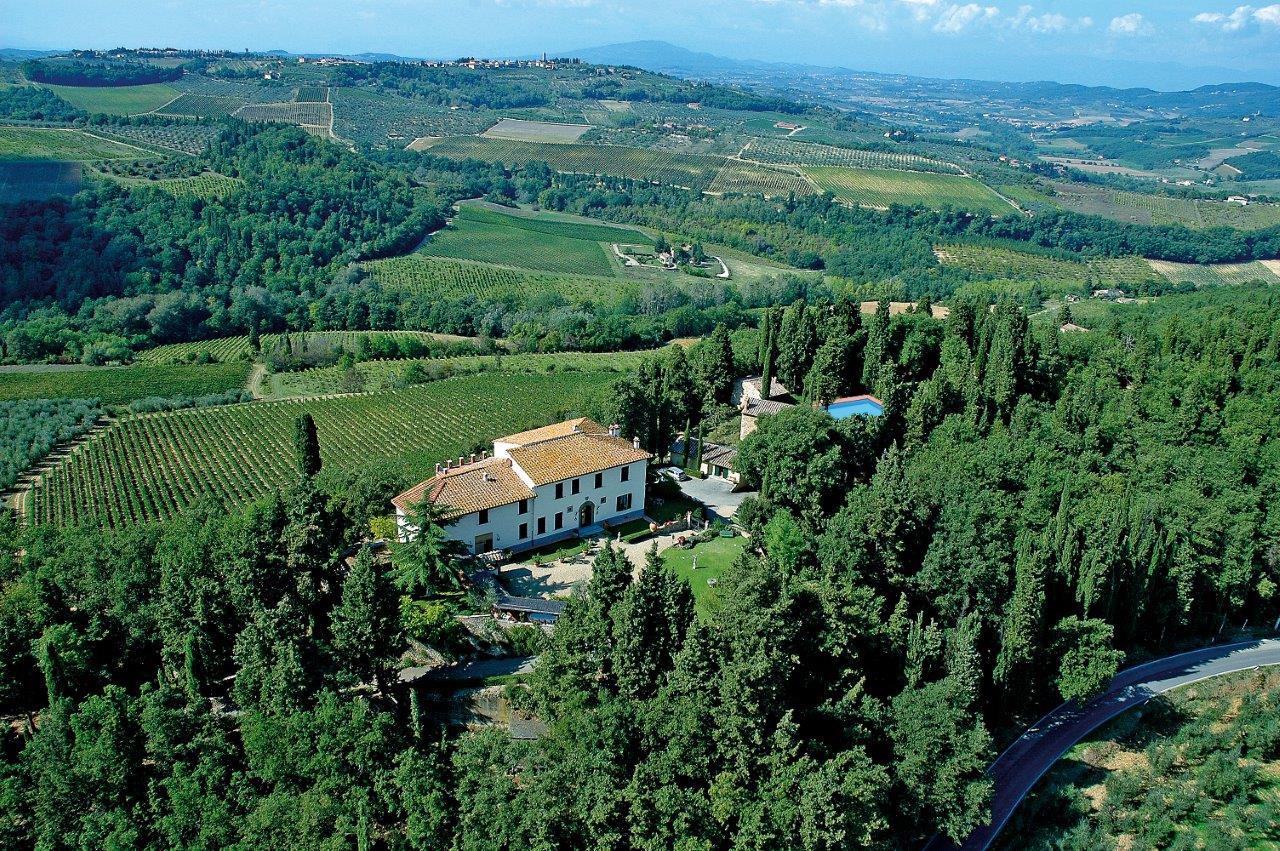
Leave Florence behind for the perfect half-day escape to Tuscany. Your journey begins with a visit to the Castelvecchio organic farm in San Casciano, featuring a winery tour to discover our winemaking and aging techniques. This is followed by a seated tasting of the estate's wines on a panoramic terrace overlooking the famous cypress-lined vineyards. Next, enjoy a relaxed lunch at Ristoro Bellavista in Impruneta, savoring the area's most traditional specialties, before uncovering the ancient art of terracotta at the historic Antica Fornace Mariani. Here, master artisans have been shaping clay into stunning vases, planters, and architectural works since time immemorial. An authentic, unhurried taste of Tuscany, far from the beaten tourist paths
Tour highlights
-
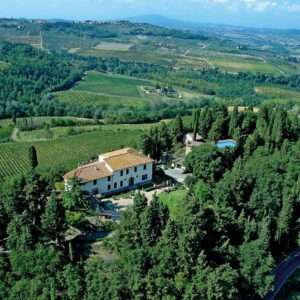
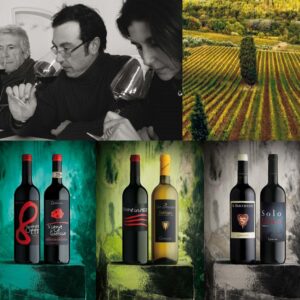
Castelvecchio farm is in San Pancrazio in the Municipality of San Casciano Val di Pesa, 20 km south of Florence in the area of production of Chianti Colli Fiorentini Docg. The winery estate was founded by Renzo Rocchi in 1962 and today it is a family-run organic winery, also producing extra virgin olive oil and offering rural holiday facilities. The vineyards are at an altitude of 250 to 350 meters, exclusively located on hillsides with south-eastern exposure for mainly Sangiovese grapes but also Cabernet Sauvignon, Petit Verdot, while on the north-west slopes Canaiolo nero, Merlot, Trebbiano and Colorino are grown. The quality of the wines is the result of the excellent grapes obtained with passion and of the continuous and constant care of the vineyards to guarantee the exclusivity of the product. The product line focuses on affirming the character and originality of the wines.
-
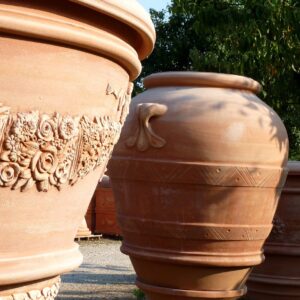
Impruneta and Terracotta: Already inhabited during the Etruscan and Roman eras, Impruneta is a delightful small village located just outside Florence, renowned for its thousand-year-old art of terracotta. Nestled in the countryside, this culture-rich area has passed down for centuries its ancient craft of shaping and baking clay—a defining and signature element of the Tuscan architecture and landscape. The uniqueness of Impruneta's terracotta stems from the traditional mastery with which local artisans work the clay, a practice preserved over time and adapted through successive historical eras. This art has managed to stand out during major cultural shifts without ever losing its authenticity. Today, it arrives even richer in value and prestige, thanks to the refinement of new and modern manufacturing techniques.
-
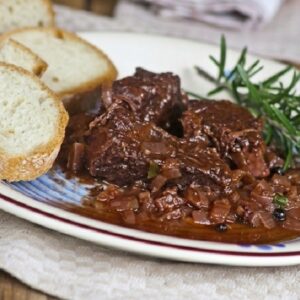
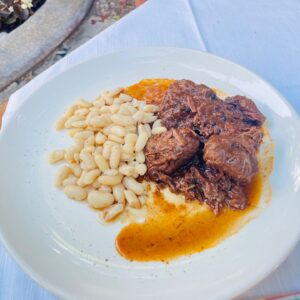
The Peposo of Impruneta: This famous traditional Tuscan beef stew originates from the hilltop town of the same name, renowned for its terracotta. It is a hearty dish made with beef, plenty of red wine, and black peppercorns, slow-cooked for hours until the meat becomes melt-in-your-mouth tender. The dish was born in the 15th century thanks to the fornacini—the artisans who worked in the terracotta kilns of Impruneta (just outside Florence). Legend has it that these workers would place a terracotta pot filled with ingredients near the mouth of the kiln while baking bricks, leaving it to simmer for hours. A well-known variation of the story tells that this very stew was the staple meal for the laborers building Brunelleschi’s famous Dome in Florence.